Cationic Polyacrylamide (CPAM)
Cationic polyacrylamide is commonly evaluated as a sludge-conditioning polymer. The right charge density and molecular characteristics depend on sludge source, solids composition, equipment and target cake dryness.
Product Overview
Cationic polyacrylamide is commonly evaluated as a sludge-conditioning polymer. The right charge density and molecular characteristics depend on sludge source, solids composition, equipment and target cake dryness. This page supports B2B specification comparison and initial product discussions. The grade should be selected by the intended application, local compliance requirements and representative water or sludge tests.
Shandong Liboyuan welcomes enquiries for Cationic Polyacrylamide (CPAM). Product availability, manufacturing origin, minimum order quantity and shipment details require confirmation for the requested specification.
Technical Specification Checklist
| Polymer type | Cationic polyacrylamide (CPAM) |
|---|---|
| Selection properties | Cationicity, molecular weight/viscosity, form, solubility and residual monomer specification |
| Typical study | Sludge dewatering or thickening with equipment-specific trials |
| Handling | Prepare and dose according to the selected grade’s SDS/TDS |
| Documents | Current TDS, SDS and applicable batch COA |
Values shown as a requested grade designation are not a product batch test result. Obtain an up-to-date supplier-approved technical specification before placing an order.
Where This Product May Be Used
This grade may be evaluated for belt presses, centrifuges and other sludge-conditioning operations after validation. Always assess feed characteristics, pH, mixing, settling or dewatering equipment and downstream treatment requirements before product selection.


Product Selection and Testing
- Define the water challenge. Share representative inlet characteristics, treatment targets and existing plant equipment.
- Compare technical grades. Check chemical content, polymer properties or physical form using the actual TDS.
- Evaluate performance. Run controlled jar, settling or dewatering tests and compare total treatment cost.
- Verify documentation. Review current SDS, batch COA and any market-specific requirements before ordering.
Bulk Packing and Export Enquiries
| Packaging | Request available standard pack sizes, palletizing and bulk options; not all apply to every formulation. |
|---|---|
| Minimum order | Confirm by specification, inventory availability and shipping destination. |
| Delivery basis | EXW, FOB, CIF or other terms should be quoted explicitly, with named locations. |
| Lead time | Confirm production or stock readiness, booking and documents for the specific order. |
| Trial sample | Ask whether the selected grade can be supplied in a representative sample quantity. |
Related Products
Frequently Asked Questions
Is this grade suitable for my wastewater?
Suitability depends on the contaminant profile, treatment goals and test results. A typical grade name alone cannot establish performance.
Can I receive TDS, SDS and COA?
Include the exact grade in your RFQ so the supplier can confirm the documents currently available.
Can you quote bulk shipments?
Send your approximate quantity, packaging, preferred trade terms and destination port. A formal offer requires checking grade availability and delivery costs.
Talk to Us About Your Treatment Process
For an informed quotation, include the source water, treatment objective, product grade or target properties, annual or trial quantity, packaging preference, country and destination port. Documents and commercial details are confirmed for each specific grade.
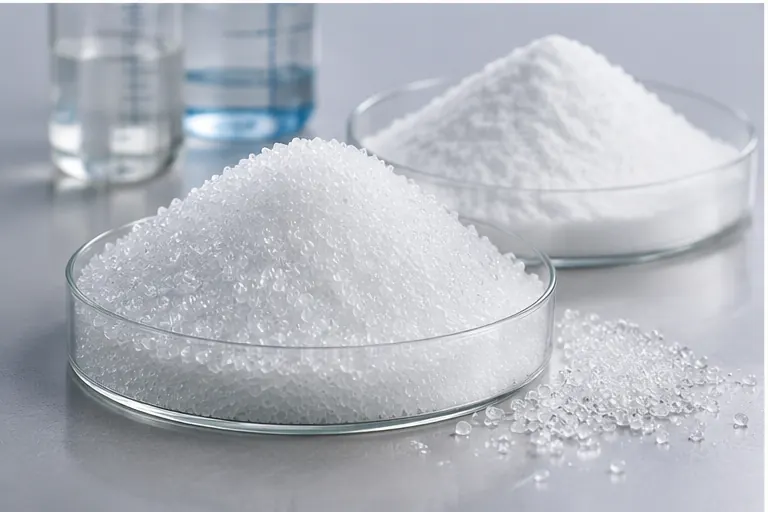
Illustrative imagery is used for product and application context, not as evidence of a specific factory, certified production line or tested batch.