WATER TREATMENT TECHNICAL GUIDE
How to Choose Water Treatment Chemicals: Technical Buying Checklist
Choosing water treatment chemicals is an engineering and procurement decision. A structured approach begins with water chemistry and the treatment objective, then moves to laboratory trials, documentation and commercial comparison.
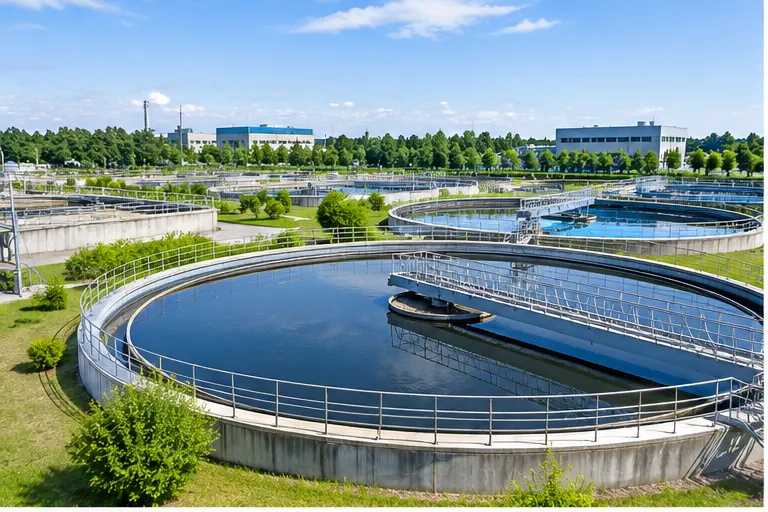
Choosing water treatment chemicals is an engineering and procurement decision. A structured approach begins with water chemistry and the treatment objective, then moves to laboratory trials, documentation and commercial comparison.
Quick Comparison
| Question | Why It Matters | Suggested Information |
|---|---|---|
| What needs removal? | Sets the treatment mechanism | Target contaminant and compliance goal |
| What is the water profile? | Chemical response varies | pH, solids, flow and available analysis |
| Which equipment is used? | Affects mixing and separation | Clarifier, DAF, filter or dewatering machine |
| What documents are required? | Verifies grade suitability | TDS, SDS, COA and local compliance evidence |
| What is the order plan? | Defines commercial feasibility | Quantity, pack size, Incoterm and port |
1. Understand Your Water and Treatment Objectives
Record water source, sampling conditions, flow, pH, temperature, turbidity, suspended solids, and relevant contaminants. Clearly identify whether the objective is clarification, phosphorus control, sludge dewatering, color reduction or another outcome.
2. Select a Relevant Chemical Group
PAC and PFS are coagulants commonly screened for certain clarification needs. PAM polymers may support flocculation and sludge conditioning. Additional treatment technologies may be required for dissolved pollutants or difficult process streams.
3. Test With Representative Samples
Jar tests and bench evaluations provide useful comparisons, but lab findings should be verified against actual plant conditions. Compare dose, floc quality, pH impact, effluent quality, sludge production and downstream compatibility.
4. Check the Exact Product Specification
A product name alone is not enough. Ask for technical parameters, chemical form, updated TDS, SDS, applicable COA, and any destination-specific certifications relevant to the intended application.
5. Compare Total Delivered Cost
Clarify ordered volume, packaging, shipment conditions and Incoterms. Compare dosing cost, dilution needs, storage, safety and waste treatment cost rather than relying on chemical price per tonne.
6. Prepare a Clear RFQ
Include target application and grade, sample analysis, estimated trial and bulk quantities, documentation needs, packaging, expected purchasing schedule and shipping destination.
Practical Evaluation Checklist
- Obtain representative water or sludge samples.
- Confirm measurable process targets and local requirements.
- Compare candidate grades under controlled testing.
- Check current product-specific TDS, SDS and applicable batch COA.
- Review logistics, dosage economics, packaging and commercial terms.
Related Product Information
- Poly Aluminium Chloride (PAC)
- Polyacrylamide (PAM)
- Polyferric Sulfate (PFS)
- Industrial Wastewater Treatment
FAQs
How many grades should be trialled?
Screen a practical set of relevant chemistries based on process objectives, then narrow using repeatable results.
Can one chemical treat all pollutants?
No. Different pollutants and discharge targets often require multiple treatment mechanisms.
Need a Chemical Grade Recommendation or Quote?
Share your process conditions, required properties, quantities and destination port for technical and commercial review.
Educational guide only; specific grade suitability and compliance require assessment. Image is illustrative, not documentation of a specific project.