WATER TREATMENT TECHNICAL GUIDE
Coagulant vs Flocculant: Mechanisms, Examples and Procurement
Coagulation and flocculation are connected stages in many water treatment systems, but they are not interchangeable. Understanding their different roles can improve chemical selection and technical purchasing.
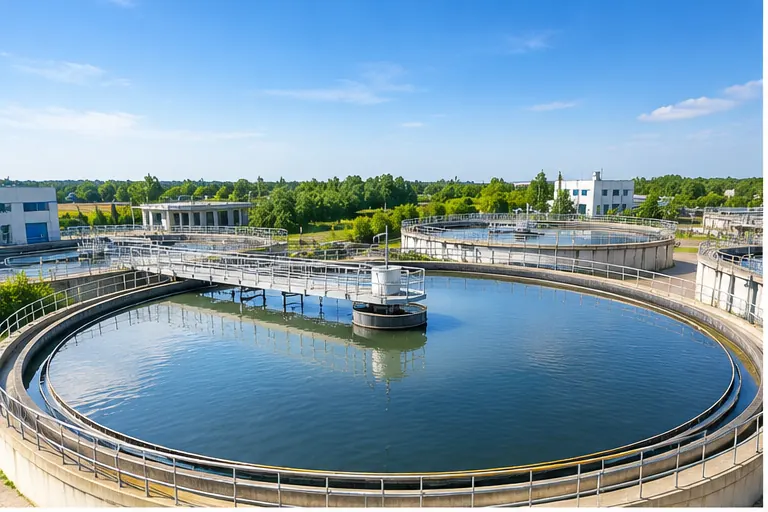
Coagulation and flocculation are connected stages in many water treatment systems, but they are not interchangeable. Understanding their different roles can improve chemical selection and technical purchasing.
Quick Comparison
| Topic | Coagulant: destabilize colloidal particles | Flocculant: promote larger aggregates |
|---|---|---|
| Treatment function | Coagulant: destabilize colloidal particles | Flocculant: promote larger aggregates |
| Example chemical families | PAC and PFS | Suitable PAM polymers |
| Typical process stage | Initial coagulation | Subsequent floc growth or solids conditioning |
| Key test output | Residual turbidity, pH and floc initiation | Settling rate, floc strength and separation quality |
| Procurement focus | Chemical assay, basicity, impurities | Polymer type, ionic properties and molecular characteristics |
Coagulation Explained
Fine colloidal particles may remain suspended due to electrical and chemical stability. A coagulant such as PAC or PFS may reduce this stability and allow microflocs to form. Performance depends on chemistry, mixing and water characteristics.
Flocculation Explained
After particles are destabilized, flocculation promotes growth of larger flocs that may settle, float or filter more easily. Polymer flocculants such as certain PAM grades can assist this process, but the correct polymer choice is application-specific.
Mixing and Treatment Sequence
Rapid, controlled mixing may be used for initial coagulant contact, followed by slower flocculation mixing to preserve larger aggregates. Each plant’s configuration must be considered; overly aggressive mixing can damage flocs.
How Buyers Compare Alternatives
Technical buyers should examine treatment targets, raw-water chemistry, dose range from trials, residual chemical effects, sludge generation, handling, required documents and overall treatment cost rather than unit price alone.
Practical Evaluation Checklist
- Obtain representative water or sludge samples.
- Confirm measurable process targets and local requirements.
- Compare candidate grades under controlled testing.
- Check current product-specific TDS, SDS and applicable batch COA.
- Review logistics, dosage economics, packaging and commercial terms.
Related Product Information
- Poly Aluminium Chloride (PAC)
- Polyacrylamide (PAM)
- Polyferric Sulfate (PFS)
- Industrial Wastewater Treatment
FAQs
Is flocculation always a separate step?
Not always. Process designs vary, and a single chemical or combined treatment may be evaluated.
Does a lower unit price mean lower treatment cost?
No. Effective dose, sludge handling, shipping, safety and plant operating impacts matter.
Need a Chemical Grade Recommendation or Quote?
Share your process conditions, required properties, quantities and destination port for technical and commercial review.
Educational guide only; specific grade suitability and compliance require assessment. Image is illustrative, not documentation of a specific project.